
The tech landscape in 2026 has reached a fascinating tipping point. While flagship smartphones and high-end workstations continue to push the $2,000 barrier, the "budget" sector: specifically the sub-$100 category: has seen a massive surge in quality. We are no longer in an era where "cheap" means "disposable." Thanks to advancements in manufacturing efficiency and the democratization of high-end components like mechanical switches and high-density battery cells, you can now build a professional-grade setup without breaking a three-digit bill.
At blog and youtube, we’ve spent the last few months testing the latest releases to find the gear that actually delivers on its promises. Here are the best tech gadgets under $100 that offer the most value for your money right now.
1. Professional Typing: The Mechanical Keyboard Renaissance
For a long time, high-quality mechanical keyboards were a niche hobby requiring a $200 entry fee. In 2026, that has completely changed. Two specific boards are dominating the sub-$100 market by offering features previously reserved for custom "enthusiast" builds.
Keychron C3 Pro ($49.99)
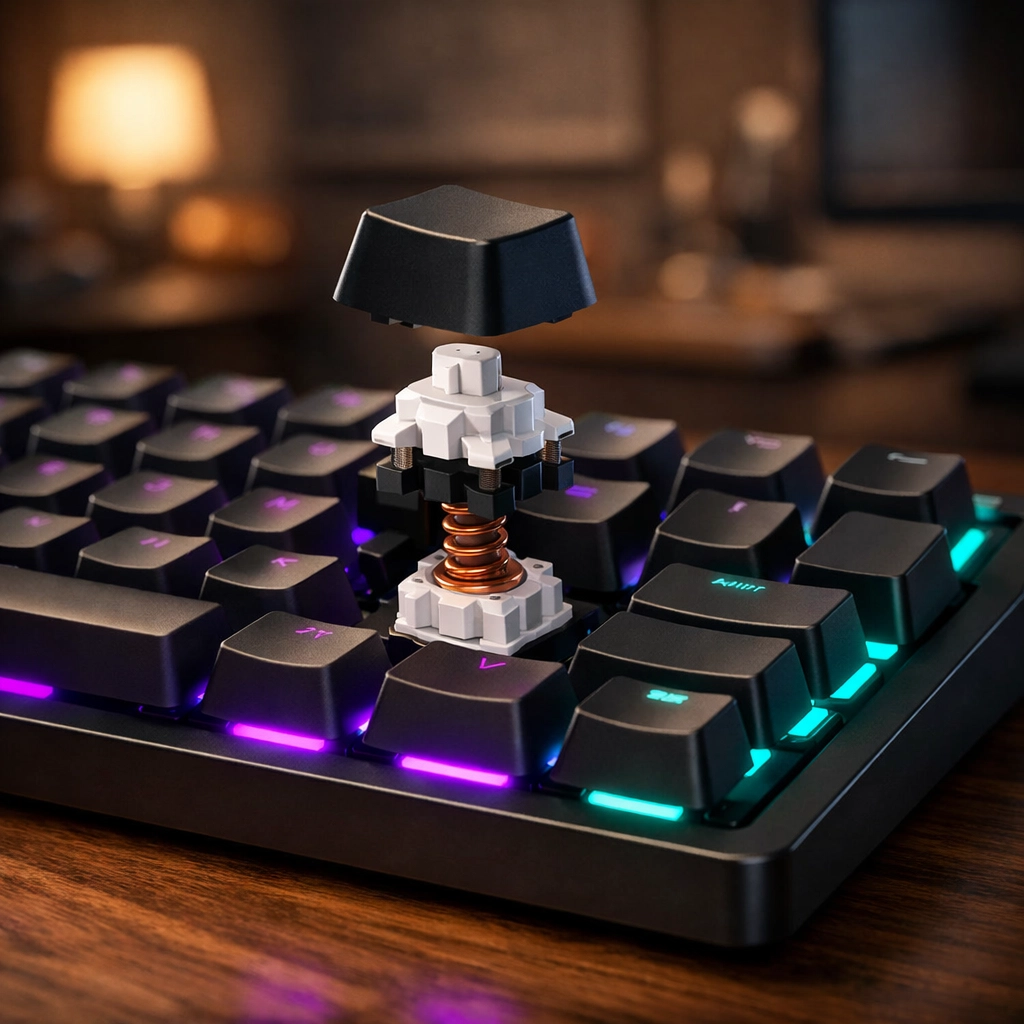
The Keychron C3 Pro is the gold standard for anyone looking to upgrade from a mushy membrane keyboard. What makes this a technical standout is the inclusion of QMK/VIA firmware support. This allows you to remap every single key and create complex macros at the hardware level, meaning your settings stay with the keyboard regardless of which computer you plug it into. It features a tray-mount design and hot-swappable switches, allowing you to swap out the typing feel in minutes without a soldering iron.
Cooler Master MK770 ($69.99)
If you need wireless flexibility, the MK770 is the winner. It utilizes a "gasket mount" system, which uses silicone spacers between the internal plate and the case to provide a cushioned, "bouncy" typing experience that reduces finger fatigue during long work sessions. It comes equipped with Kailh Box White V2 switches, which are renowned for their tactile "click" and dust-resistant design. With triple-mode connectivity (Bluetooth 5.3, 2.4GHz wireless, and USB-C), it’s the most versatile board at this price point.
2. Power on the Go: High-Density Charging
Power management has become a critical part of our daily tech stack. In 2026, the focus has shifted from raw capacity to efficiency and form factor.
Anker Nano Power Bank ($54.99)
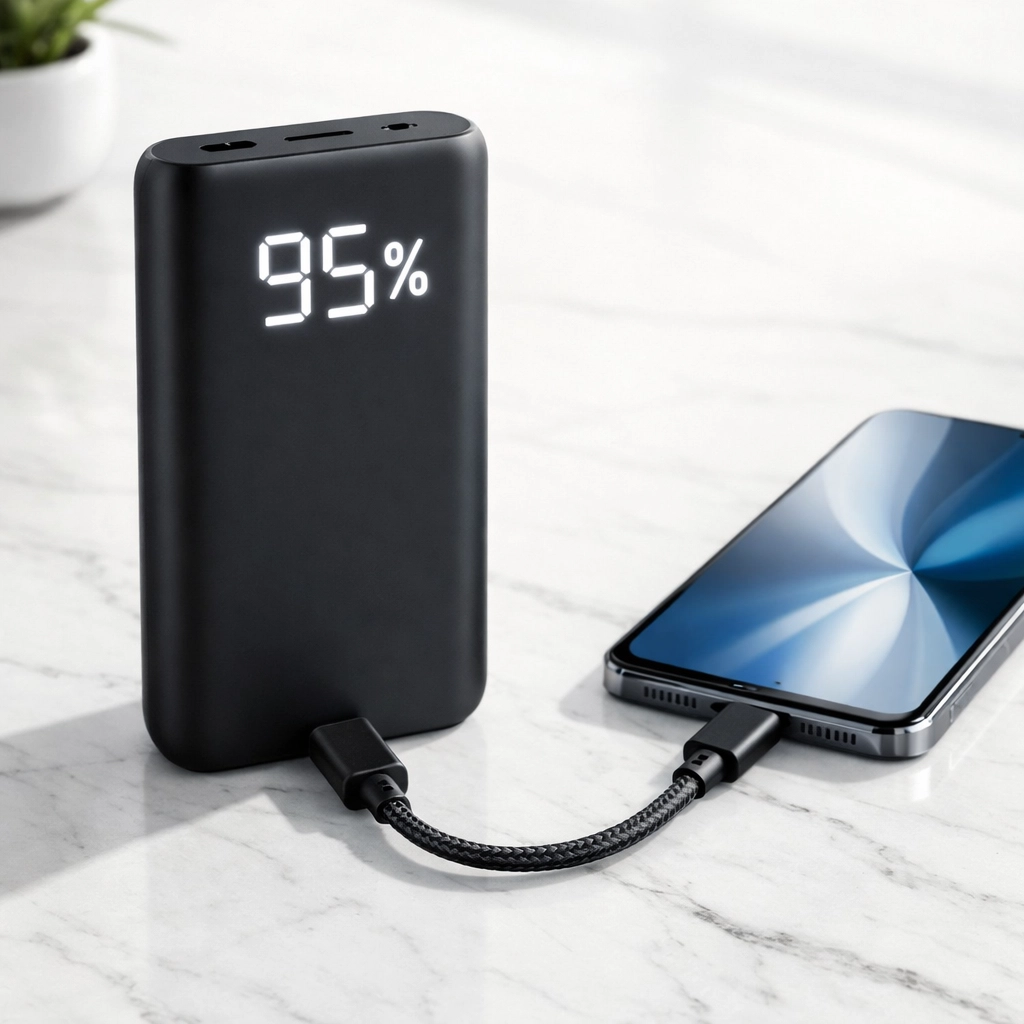
The Anker Nano has solved the "forgotten cable" problem. It’s a compact unit with a built-in, foldable USB-C connector. While its capacity is designed for a single full charge of a modern smartphone rather than a week-long camping trip, its value lies in its portability. It fits in a coin pocket and supports PD (Power Delivery) fast charging, ensuring you aren't tethered to a wall for hours. The matte plastic housing is specifically engineered to be scratch-resistant, making it a durable "everyday carry" (EDC) item.
Ugreen Nexode Power Bank (20,000 mAh, $69.99)
For those who need more "juice," the Nexode is a powerhouse. With a 20,000 mAh capacity, it can charge a standard laptop or tablet at least once, or a phone up to four times. The technical highlight here is the smart digital display that shows real-time wattage input and output. In 2026, understanding how fast your device is actually charging is vital for managing your time, and this Ugreen model provides that data-driven insight at a fraction of the cost of "pro" power stations.
3. The Desktop Transformer: Hagibis 3.5-inch IPS Monitor ($99.99)
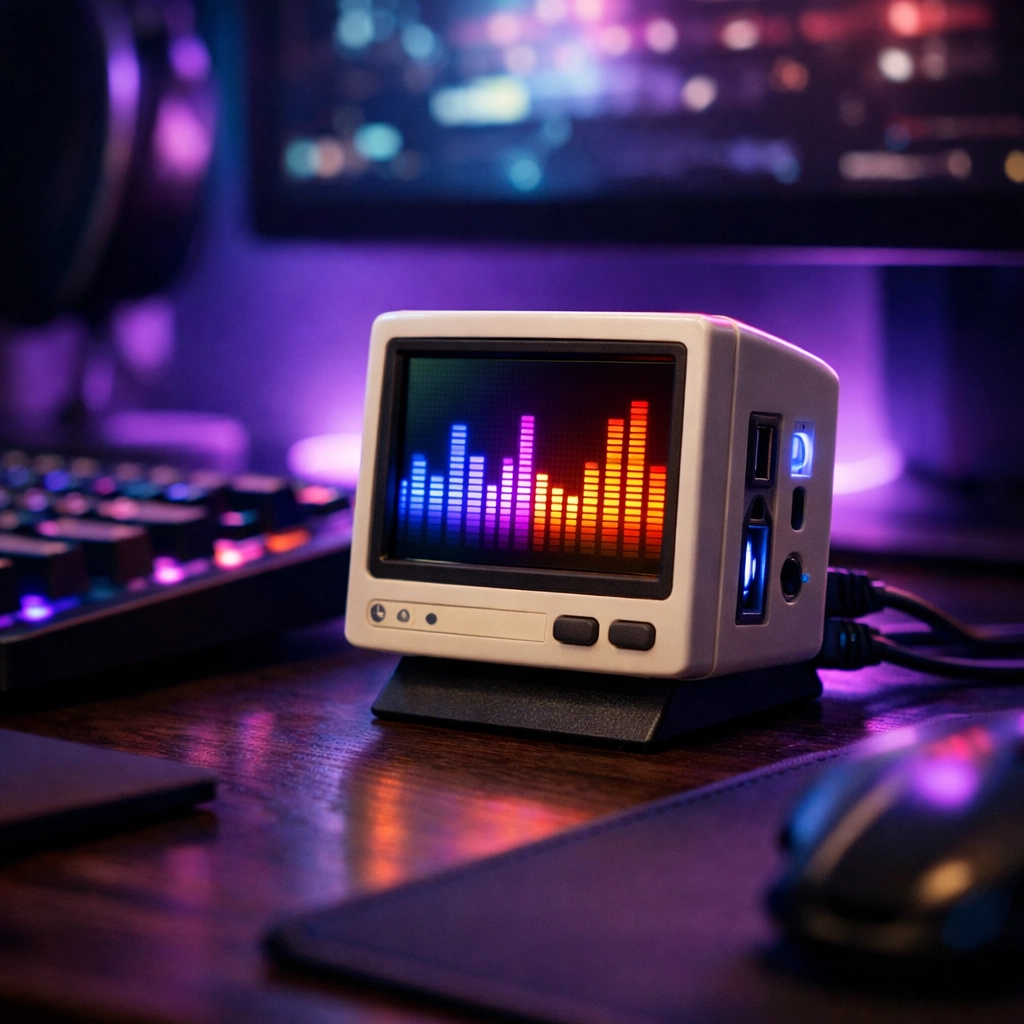
This is perhaps the most unique gadget on our list. The Hagibis 3.5-inch IPS Monitor isn't meant to be your primary screen. Instead, it serves as a dedicated hardware monitor or a retro-style desk ornament.
Technically, it's a marvel of scaling. While its native resolution is 960 x 640, it can scale up to 2,560 x 1,600, allowing it to act as a secondary display for your Spotify playlist, PC temperature stats, or a dedicated chat window. It also doubles as a high-speed hub, featuring USB 3.1 ports and SD/TF card readers. It’s the perfect blend of aesthetics and utility for a modern workspace.
4. Competitive Gaming: Logitech G Pro 2 Lightspeed ($99.99)
In the world of gaming peripherals, "wireless" used to mean "lag." Not anymore. The Logitech G Pro 2 Lightspeed brings professional-tier performance under the $100 mark.
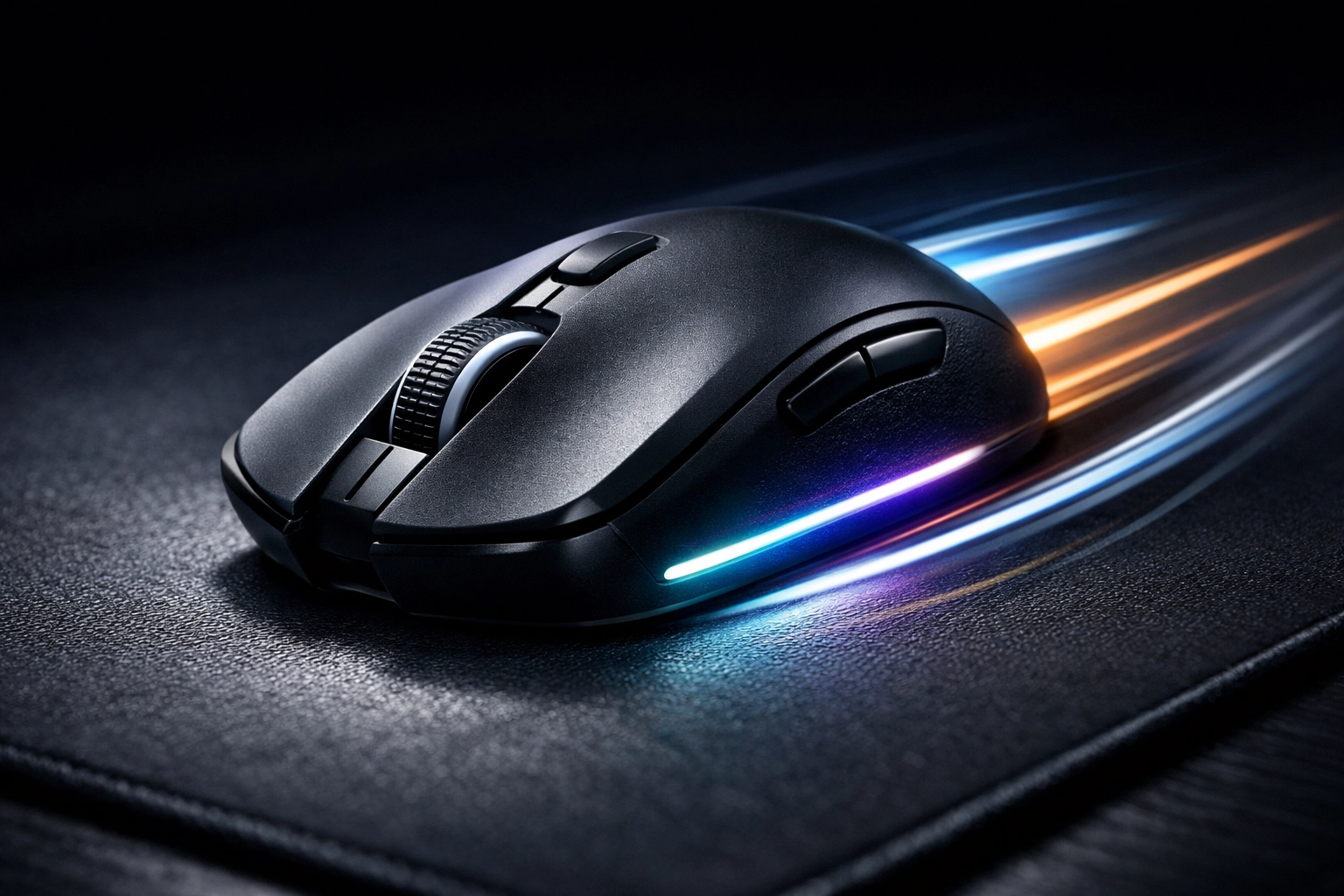
The standout feature here is the Hero 25K sensor, which offers sub-micron tracking accuracy. It boasts a 95-hour battery life, which is significantly higher than previous generations in this price bracket. Because it uses USB-C for charging, it fits perfectly into a modern, single-cable ecosystem. The mouse also features four customizable side buttons that can be programmed via the G Hub software, making it just as useful for video editing and productivity macros as it is for gaming.
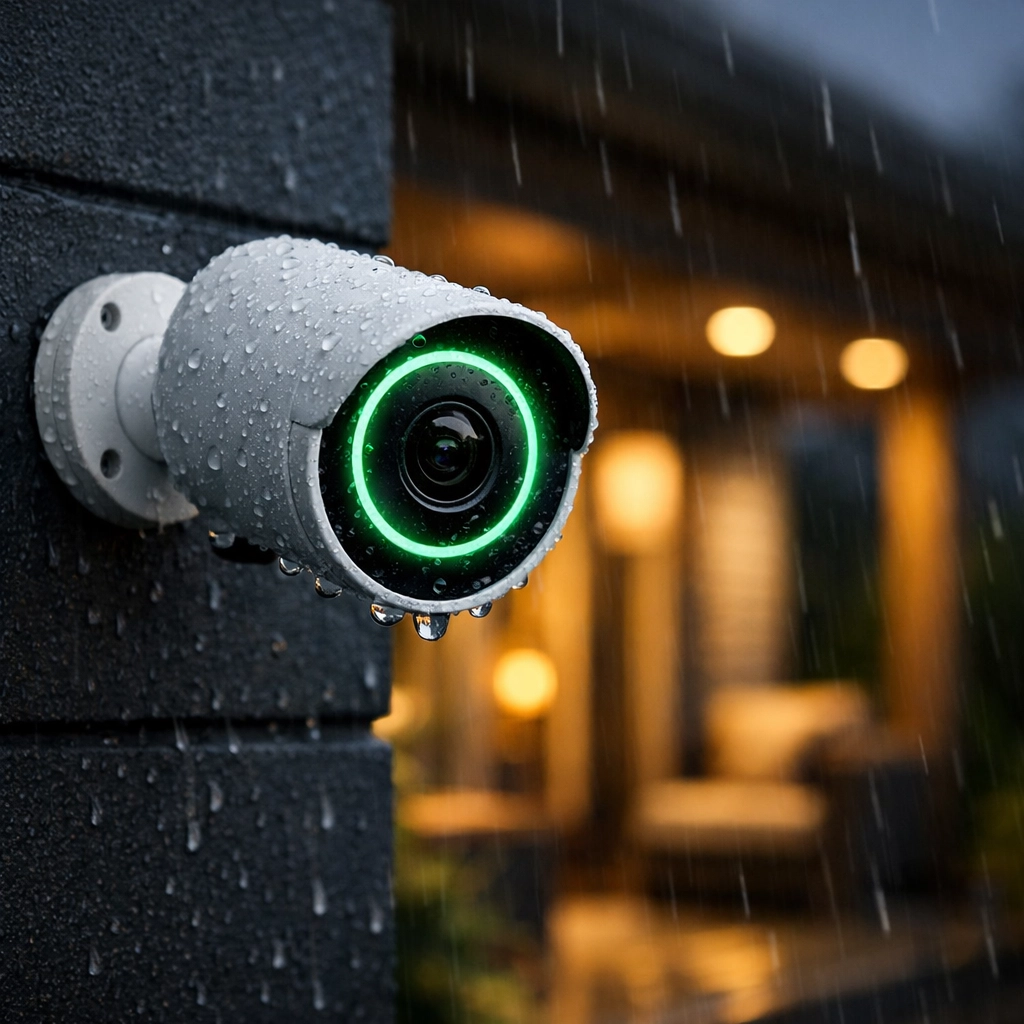
5. Privacy-First Security: TP-Link Tapo C120 ($35.99)
Home security has often been synonymous with expensive monthly subscriptions. The TP-Link Tapo C120 is disrupting that model in 2026.
This camera is IP66 weather-resistant, meaning you can use it indoors or outdoors. The technical edge here is the "Edge AI" processing. The camera can distinguish between humans, pets, and vehicles locally on the device itself, rather than sending that data to a cloud server for analysis. When paired with a microSD card (up to 512GB), you get a full security suite with zero recurring costs. It’s a high-performance solution for those who value both their privacy and their wallet.
6. Smart Tracking and EDC Tools
The small items in our bags often provide the most utility. This year, "tracking" tech has become more inclusive.
- Chipolo One Point: Unlike previous trackers that forced you into the Apple or Google ecosystem, the Chipolo One Point is designed to work across both. It leverages the massive "Find My" networks of both platforms, giving you the best chance of finding lost keys or luggage regardless of what phone you currently use.
- Hoto PixelDrive Electric Screwdriver ($59.99): For the tech hobbyist, this is a game-changer. It’s an electric precision screwdriver with a built-in LED ring light and a high-torque motor designed specifically for sensitive electronics like laptops and PCs.
- Nitecore TINI 3 (~$40): This keychain flashlight proves that size isn't everything. With an OLED display that shows remaining runtime and brightness levels, it delivers over 500 lumens in a package the size of a car key fob. It’s the ultimate piece of technical EDC.
Future-Proofing Your Budget Tech
When buying tech under $100 in 2026, you should look for three specific markers to ensure your gadget doesn't become e-waste in six months:
- USB-C Everything: Avoid any device that still uses Micro-USB. In 2026, universal compatibility is the standard.
- Firmware Customization: Look for devices that allow for software updates or hardware remapping (like the Keychron keyboard or Logitech mouse).
- Local Storage/Processing: For smart home gear, prioritize devices that don't require a cloud subscription to function.
Buying smart means looking past the marketing fluff and focusing on the underlying hardware specs. Every item on this list offers a technical advantage that justifies its price tag, ensuring you get the most out of every dollar spent.
About the Author: Malibongwe Gcwabaza
Malibongwe Gcwabaza is the CEO of blog and youtube, a leading platform dedicated to simplifying technology for creators and enthusiasts. With over a decade of experience in the tech industry, Malibongwe focuses on finding the intersection between high-end performance and accessibility. When he isn't testing the latest gadgets, he’s exploring new ways to leverage AI for content creation and business growth. His mission is to ensure that everyone, regardless of their budget, has access to the tools they need to succeed in a digital world.
About the Author