By March 2026, the digital landscape has shifted dramatically. We aren't just dealing with basic "Prince of Nigeria" email scams anymore. We are living in an era where Large Language Models (LLMs) and generative AI have automated the process of hacking, making it cheaper and faster for bad actors to target you specifically. Protecting your personal data is no longer about just "having a strong password": it’s about building a multi-layered defense system that accounts for AI-driven threats and takes advantage of new privacy laws.
The stakes have never been higher. With biometric data, real-time location tracking, and smart home integration, a single data breach can expose your entire physical and digital life. Here is how you can lock down your data in 2026.
1. Defending Against AI-Driven Phishing
In 2026, phishing has evolved. Hackers now use AI to scrape your social media profiles, professional history, and public comments to create highly personalized "lures." These emails or messages don't have the typical spelling errors or awkward phrasing of the past. They sound exactly like your boss, your bank, or your spouse.
To protect yourself, you need to adopt a "Zero Trust" mindset. Never click a link in an unsolicited message, even if it looks perfect. Use "Out-of-Band" verification: if your bank sends you an urgent security alert, don't use the link in the message. Open your browser, manually type in the bank’s URL, and check your notifications there.

2. The Death of the Password: Move to Passkeys
If you are still using traditional passwords: even complex ones: you are behind the curve. By 2026, credential stuffing and brute-force attacks powered by AI can crack most standard passwords in seconds.
The gold standard today is Passkeys. Passkeys use public-key cryptography to replace passwords entirely. They are linked to your physical device (like your phone or a hardware security key) and use biometrics (FaceID or fingerprints) to log you in. Unlike passwords, passkeys cannot be phished because the "private key" never leaves your device. Most major platforms, including Google, Apple, and Microsoft, have fully integrated passkey support by now. Make it your mission this week to convert your most sensitive accounts: email, banking, and social media: to passkeys.
3. Know Your Rights: The 20-State Privacy Shield
A major win for consumers in 2026 is the expansion of state-level privacy protections. In the United States, twenty states now have comprehensive privacy laws in effect. This gives you standardized rights that didn't exist a few years ago:
- The Right to Access: You can demand that a company show you exactly what data they have collected on you.
- The Right to Deletion: You can force a company to scrub your personal information from their servers.
- The Right to Portability: You can request your data in a format that allows you to move it to a different service.
- The Right to Opt-Out: You can stop companies from selling your data to third-party "data brokers" who build profiles on your shopping habits and political leanings.
Special mention goes to Utah: as of July 1, 2026, consumers there have a specific right to correct inaccuracies in their personal data. Regardless of where you live, check if your state is part of the "Privacy 20" and exercise these rights annually.
4. Securing Your Biometric Identity
As we move away from passwords, our biometrics (face scans, fingerprints, and even voice prints) have become the keys to our digital kingdom. However, 2026 has seen a rise in "biometric harvesting."
Be extremely cautious with apps: especially "fun" AI photo generators or voice-cloning tools: that ask for access to your camera or microphone. Once a company has a high-resolution scan of your face or a sample of your voice, that data can potentially be used to bypass security measures if that company is breached.
Pro Tip: Go into your smartphone settings and audit which apps have "Background Microphone" or "Camera" access. If it doesn't need it to function, kill the permission.

5. Protecting the Next Generation
Children’s privacy has become a major legislative focus in 2026. New laws in New York and Vermont have introduced "Age-Appropriate Design" requirements. These laws force platforms to set the highest privacy settings by default for minors and restrict the collection of biometric data for anyone under 18.
If you have kids, ensure their devices are registered with their correct birth dates. This triggers these legal protections, preventing companies from profiling them or selling their location data to advertisers.
6. Advanced Technical Tweaks for 2026
For those who want to go beyond the basics, here are three technical steps to take today:
Use an Encrypted DNS
Your Internet Service Provider (ISP) sees every website you visit. In 2026, ISPs often sell this "metadata" to advertisers. By using an encrypted DNS (like Cloudflare’s 1.1.1.1 or NextDNS), you hide your browsing requests from your ISP, making it much harder for them to track your movements online.
Hardware Security Keys
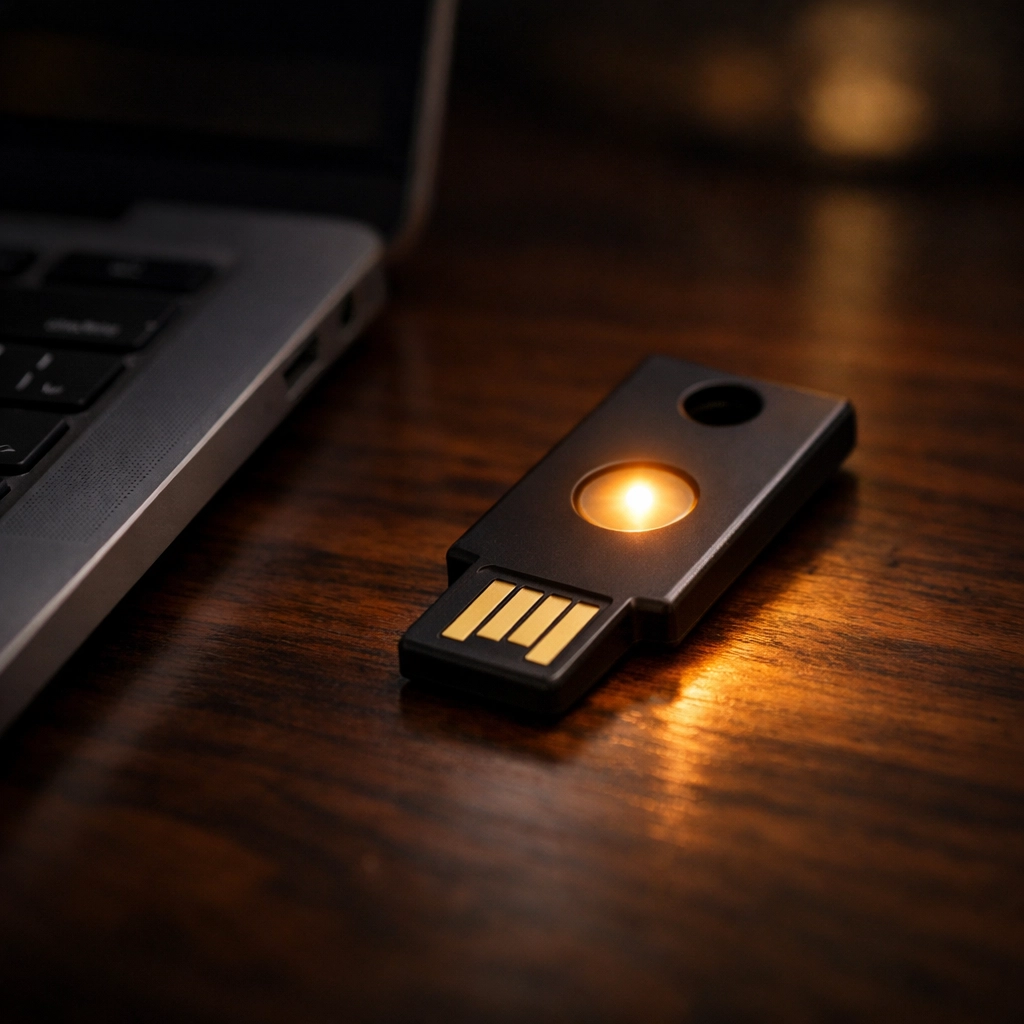
For your "Primary" accounts (the email address linked to everything else), a digital passkey might not be enough. Investing in a physical hardware key, like a YubiKey, provides a physical layer of security. Even if a hacker stole your "passkey" files remotely, they couldn't log in without physically touching the USB key plugged into your computer.
Virtual Credit Cards
Stop giving your real credit card number to every random online store. Use services like Privacy.com or the built-in features in apps like Revolut or Apple Card to generate "burner" card numbers. If the store gets hacked, you can simply delete that virtual card without having to cancel your entire bank account.
7. The Threat of "Shadow Data"
One of the biggest risks in 2026 is "Shadow Data": information about you that is collected indirectly. This includes your "Digital Exhaust": your IP address, the time of day you log in, your typing rhythm, and your device’s battery level. Combined, these create a unique "fingerprint" that can identify you even if you aren't logged in.
To combat this, use a privacy-focused browser like Brave or Mullvad Browser. These browsers "normalize" your fingerprint, making your device look identical to thousands of others, which prevents tracking scripts from following you across the web.
Summary Checklist for 2026
- Audit Permissions: Check your phone for apps using your mic/camera/location.
- Switch to Passkeys: Move away from passwords for Google, Apple, and Banking.
- Use a Hardware Key: Secure your master email account with a YubiKey.
- Exercise Privacy Rights: Use "Right to Delete" requests for data brokers.
- Virtualize Everything: Use virtual cards for online shopping and encrypted DNS for browsing.
The digital world of 2026 is faster and smarter, but by using these tools, you can ensure that your personal information stays exactly where it belongs: with you.
About the Author
Malibongwe Gcwabaza is the CEO of blog and youtube. With over a decade of experience in the tech and digital media space, Malibongwe focuses on making complex cybersecurity concepts accessible to everyone. He is a passionate advocate for digital sovereignty and consumer privacy rights in the age of AI. When he isn't deep-diving into the latest tech trends, he’s helping creators and businesses navigate the evolving landscape of the modern internet.
About the Author